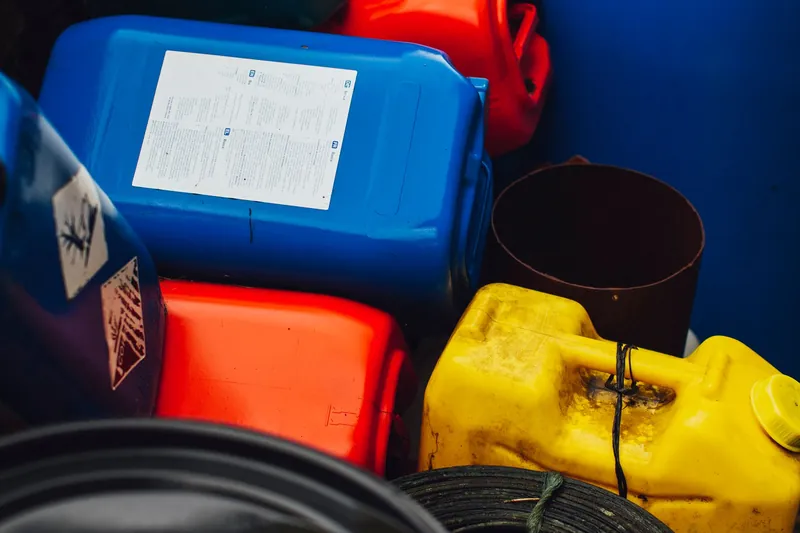
Chemical and Toxic Waste Cleanup
Toxic and chemical waste cleanup includes safe disposal.
See chemical and toxic waste cleanupGet hazardous materials, chemical residue and contaminated items assessed and cleaned in Cumminsville. The hazard is identified first so containment, protective equipment, cleaning and waste disposal fit the material.
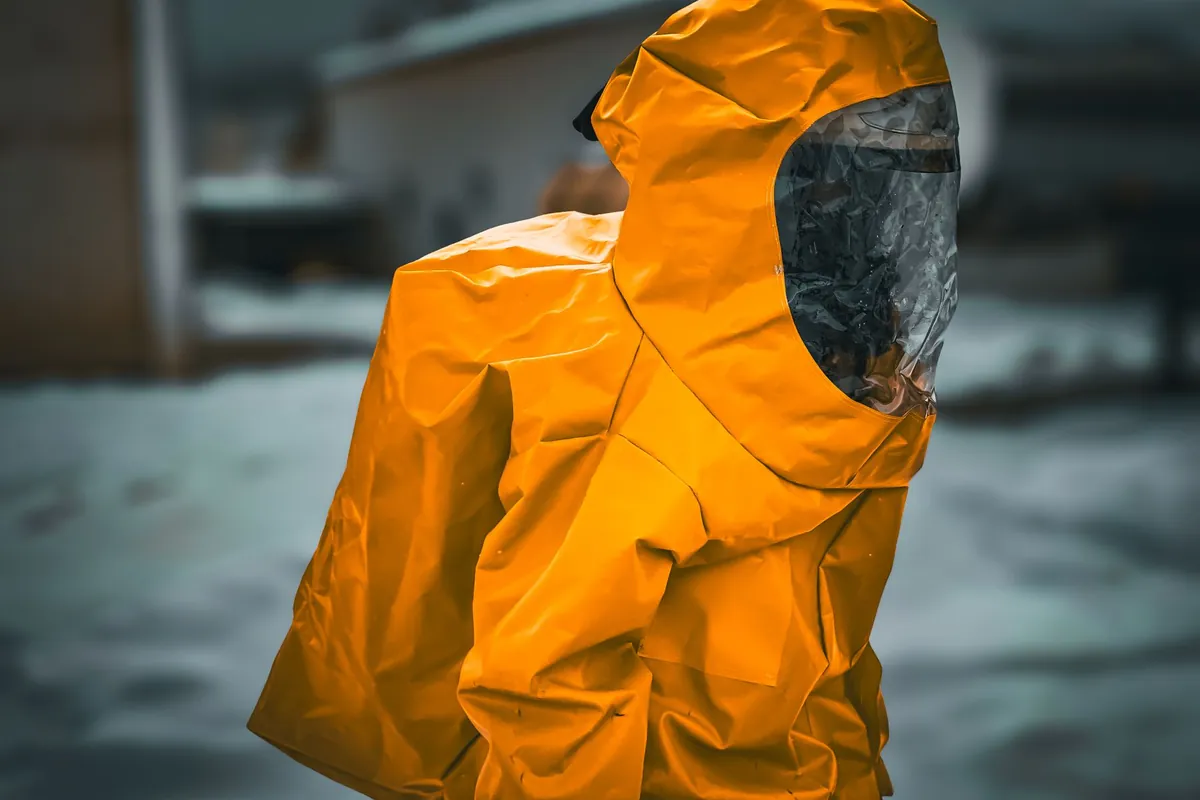
Hazmat cleanup is the controlled removal or treatment of hazardous materials that can harm people, property or the environment through contact, breathing, fire, reaction or contamination.
A biological hazard, corrosive substance, chemical spill, fuel residue, toxic waste or unidentified powder may require this work. Bloodborne pathogens can be present in biological material such as bodily fluids and blood. A chemical may cause poisoning or burns, react with another product, or give off dangerous vapor. Since each risk is different, no single cleaning process or product is right for every substance.
Before cleaning, the available information is used to determine what the material is. That evidence may include testing, the container, a label, an incident report or the Safety Data Sheet. The affected location and adjacent spaces are secured next. Protective equipment, containers, tools and absorbents are selected to match the substance. Safe-to-clean materials are treated, and anything that cannot safely remain is removed through an appropriate waste disposal path.
Photos, the work scope, an inventory of removed material and available waste records help you answer questions from insurance companies or property managers.
The explanation covers confirmed details, unanswered identification questions and planned work for the affected area, helping you decide how to move forward.
Calls are answered at any hour, and crews use unmarked vehicles for privacy. You can explain the situation without sharing it with neighbors or visitors.
Cleanable belongings are separated from items that absorbed contamination. Important contents are reviewed with you whenever the conditions allow safe handling.
Hazmat cleaning services are needed when normal cleaning could expose you to a hazardous substance or spread it to another surface. Common situations include:
Leave spilled chemicals, mixed containers and unidentified material untouched by routine cleaners when found in a garage, basement, workshop or storage space.
Tools, machinery or protective equipment need a material-specific decontamination plan before they can be touched, moved or used again.
Liquid, powder or residue can reach nearby belongings, equipment or floors after a container leaks, a bottle breaks or a process goes wrong.
When a spill from a passenger area, trunk or cargo space reaches carpeting, trim or ventilation spaces, careful removal is needed.
First, stay out of contact with the material and do what is safe to limit its spread. Ahead of professional cleaning:
Call (888) 440-9227For small to mid-size spaces, hazmat cleanup ranges between $4,000 and $40,000 per job. One and Done Prep is the source. Its Hazmat Cleaning Cost guide puts initial containment and cleanup at $6 per square foot up to $20 per square foot. The substance involved, affected square footage, waste disposal, containment, inspections and permits can cause costs to vary greatly. A site assessment must occur before a final price is determined.
These national ranges are taken from published cost guides, rather than a property visit. An on-site assessment determines your property's price, which is explained to you before the cleanup starts.
Ask about cost: (888) 440-9227Insurance coverage for hazmat cleanup depends first on whether the policy covers its cause. Payment may then be affected by the deductible, limits and exclusions for contamination.
The cause, insurance coverage, lease provisions and local requirements can decide who must arrange cleanup and cover its cost. Responsibility should not be assumed prior to checking the available evidence and paperwork.
A business or property owner should keep incident details, affected-area photos taken from a safe place, an item inventory and records from the cleanup service.
Report both the source and location of the contamination to the insurance company. Find out whether coverage includes cleaning, damaged items, waste disposal and necessary repairs.
Check with the adjuster before work starts, as long as waiting does not create a problem. Photos and records showing the scope, waste route and items taken out can help document your insurance claim.
The exact cleaning process changes with the material, but professional cleanup follows a controlled order. Every step should keep contamination inside the affected areas and protect clean spaces.
The assessment includes any available product labels, Safety Data Sheets and facts about the incident. The affected area, surfaces needing work and possible spread routes are marked before cleanup begins.
The cleanup space is isolated from people and unaffected parts of the property. Openings and travel paths are controlled when the material could move beyond the original spot.
The known material and the task determine suitable respiratory protection, eyewear, clothing and gloves, since protective equipment is not one-size-fits-all.
The source is stopped when that can be done safely. Further movement is restricted with compatible containers, absorbent products or another appropriate control.
Crews match the decontamination method to the substance on cleanable equipment and hard surfaces. An EPA-registered disinfectant remains on biological contamination for the entire contact time stated on its label.
Crews document and package porous or damaged contents when decontamination cannot be completed safely. When conditions permit, you can discuss personal property before anything is discarded.
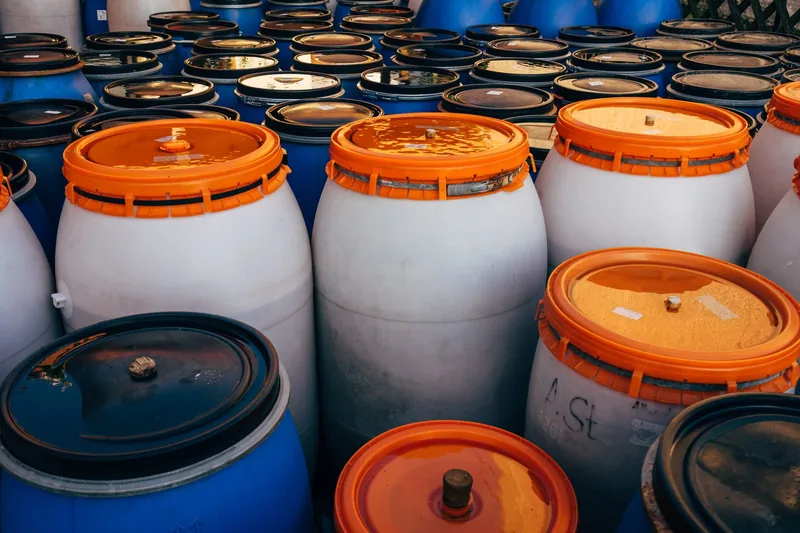
Once the substance is known, waste goes into sealed containers compatible with it and follows the required disposal route. Cleanup paperwork can support insurance or property files.
Crews inspect the treated area according to the planned scope. You learn what cleanup covered, which materials left the property and whether repairs or additional restoration services remain necessary.
Call at any time. You speak with a hazmat cleanup specialist who outlines the process and schedules a start time with you.
Contact with hazardous material can seriously harm health through breathing, puncture, swallowing or skin exposure. Using an unsuitable cleaner may also spread it or trigger a reaction.
What caused the contamination determines whether cleanup water, damaged belongings, used absorbents and disposable protective gear require controlled waste handling.
Dust, fumes and liquid substances can cause problems for the eyes, skin or respiratory system. Choosing appropriate protective equipment requires knowing the substance, how concentrated it is and the possible route of exposure.
Residue and smells can remain in porous possessions, while dust or vapor may affect surrounding areas. Before anything is cleaned, taken away or put back, its condition should be assessed.
Can you clean it yourself? Limited spill size does not mean there is no danger. Only rely on label and Safety Data Sheet directions when the material has been identified, the spill is contained and your exact situation is addressed. Do not approach a substance that is unidentified, reacting, very toxic or still spreading. If danger is immediate, seek emergency response.
What can be kept is decided by the substance involved and the affected surface. A compatible surface that is sealed may allow cleaning, while residue absorbed into porous material can make removal necessary.
Federal rule 29 CFR 1910.1030 covers training, protective equipment and safe handling for workers who may encounter blood or other potentially infectious substances.
The product used on biological material should carry EPA registration and remain wet as long as its label specifies for contact. Disinfecting products are not all-purpose neutralizers for chemical hazards.
Ohio treats soaked materials from a biohazard scene as infectious waste. Ohio EPA's Division of Materials and Waste Management rules control how it is packaged, transported and treated, so it cannot go in household trash.
Local health and building rules can affect how a contaminated room is cleaned and when it can be used again, so mention any notice you have received from the city or county.
A safe, fixed hazmat cleaning timeline cannot be given before the substance, disposal requirements and extent of the affected space are understood. The schedule may also depend on controlling an active danger and completing any necessary inspections, permits or testing.
The full hazmat cleanup guide covers what is cleaned or removed, odor and air quality work, and the rules that apply in your state.
Read the full hazmat cleanup guidePlanning for access, containment and cleanup can depend on local population, housing and entry conditions.
At roughly 1.7 miles away, Good Samaritan Hospital is the closest listed hospital for urgent care after a cut, puncture, or exposure.
Millvale, Knowltons Corner, and Villages at Roll Hill are nearby, which helps define practical routes for crews, equipment, and sealed waste containers.
The Hamilton County location helps orient travel, while the neighborhood and full address identify where private cleanup work actually occurs.
You can ask about cleanup in nearby communities and ZIP codes during the call.
Toxic and chemical waste cleanup includes safe disposal.
See chemical and toxic waste cleanup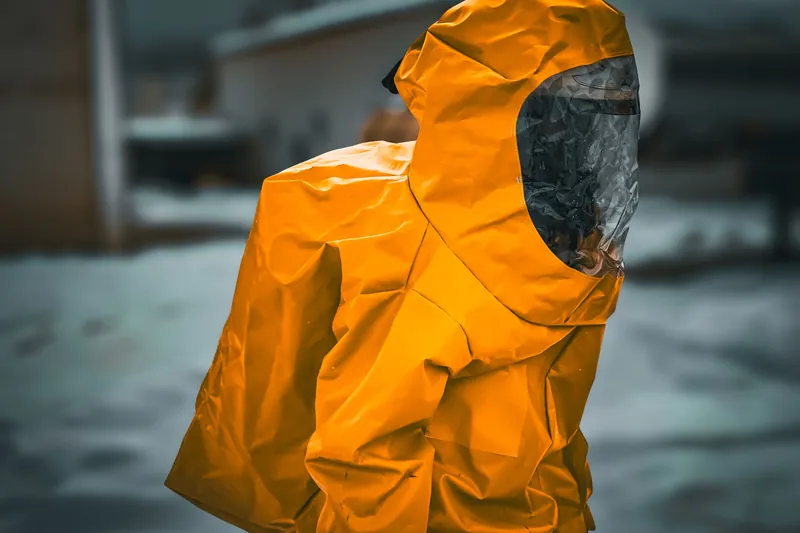
Removal and disinfection of blood, body fluids and other infectious material from any property.
See biohazard cleanup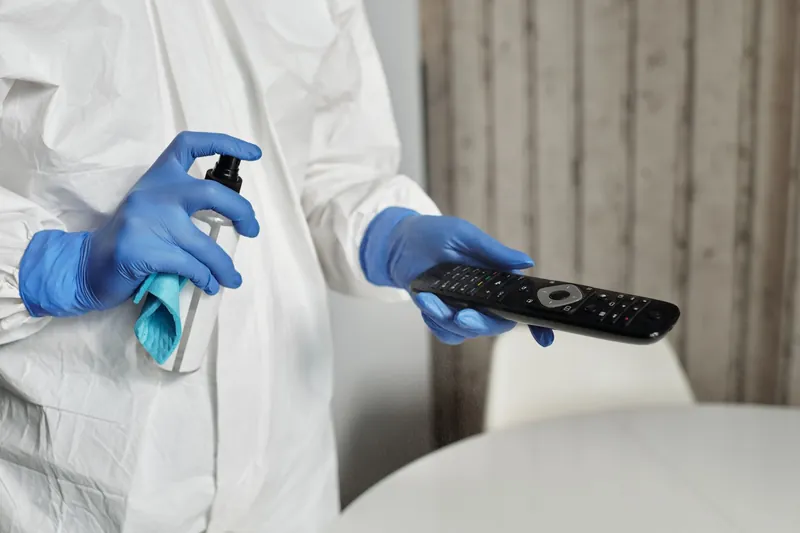
Biological remediation that removes contamination and returns a space to safe use.
See biohazard remediation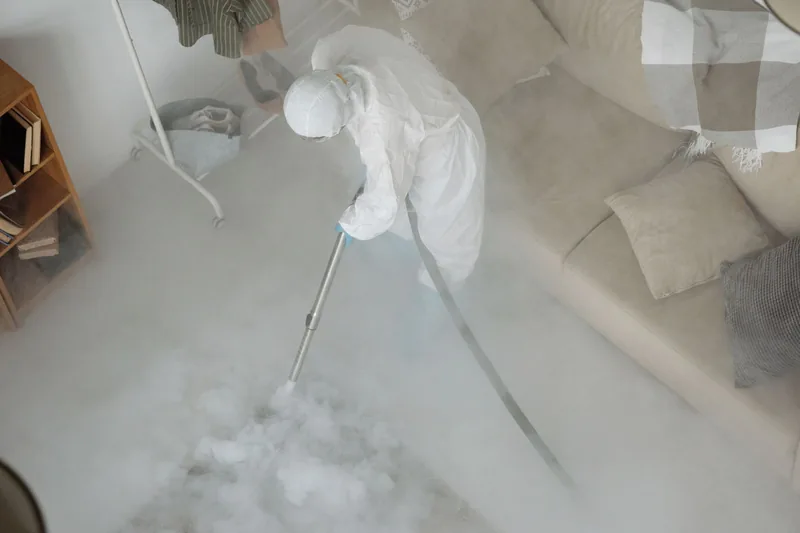
Rooms, surfaces and air receive complete decontamination following infectious or hazardous exposure.
See biohazard decontamination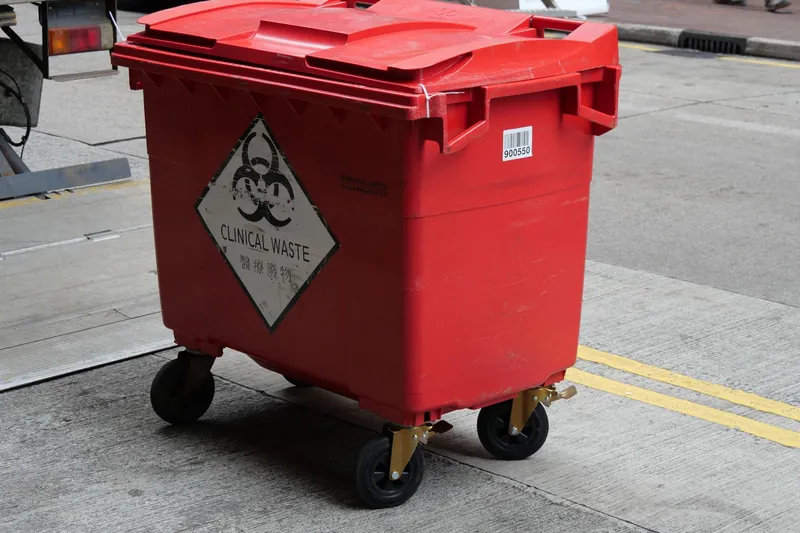
Medical waste removal includes disposal through facilities approved for treatment.
See medical waste removal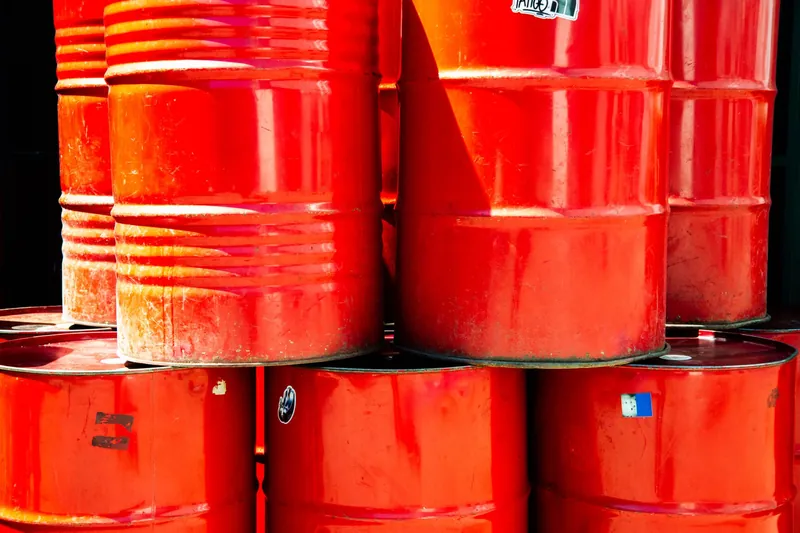
Biohazard waste pickup and disposal in sealed, labeled containers.
See biohazard waste disposal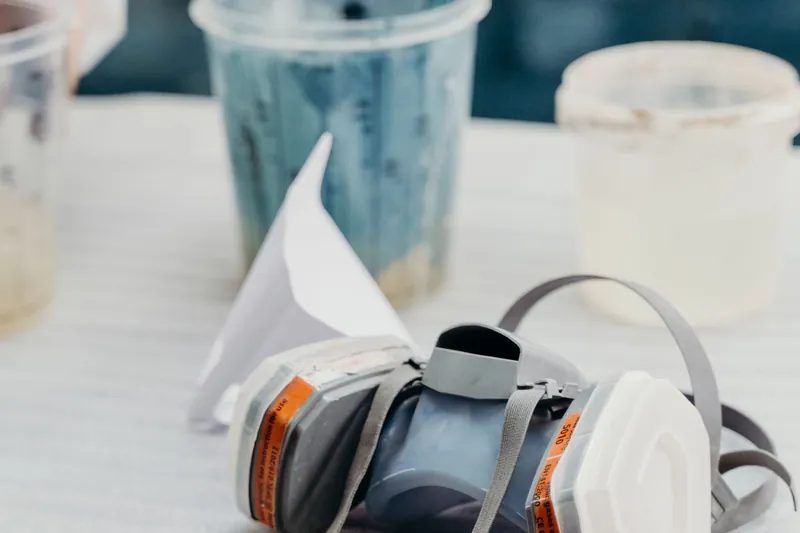
Residue tests, decontamination and clearance procedures are all part of meth lab cleanup.
See meth lab cleanup
Rooms, vehicles and exposed surfaces receive decontamination following fentanyl exposure.
See fentanyl decontaminationWhether insurance pays depends on the source of the incident as well as your policy language, coverage caps, exclusions and deductible. When immediate safety calls are finished, report the cause to the insurance company without moving or touching the material. For each category, ask about later testing or restoration, hazardous waste disposal, personal property, damaged building materials and contamination cleanup.
A safe schedule can be determined only after the material is identified and the cleanup scope is defined. There is less uncertainty with a known material in a controlled location than with a release that travels unseen, affects many rooms or needs special disposal. Each stage influences readiness, including hazard identification, containment, decontamination, material removal, waste processing, repairs and any inspection that applies.
Blood and bodily fluids are biological hazards, along with other substances that could carry organisms or bloodborne pathogens. A hazardous chemical may be flammable, reactive, corrosive or toxic. The difference matters because protective gear, cleaning products, packaging and waste disposal must fit the hazard. A method used for blood cleanup may be unsafe or ineffective on a chemical spill.
For small to mid-size areas, the Hazmat Cleaning Cost guide from One and Done Prep gives $4,000 to $40,000 per job, with initial containment and cleanup listed at $6 to $20 per square foot. The final cost depends on the contaminant, area, containment, protective equipment, disposal, access, permits and inspections.
Some hazmat cleaning companies address biological and chemical contamination, although the required skills, protective equipment and waste paths differ. Tell the person answering about the container, type and amount of material, and where it spread. When a release continues, undergoes a reaction or affects your breathing, get away and call 911 prior to scheduling cleanup.
The final step is not simply spraying disinfectant. The cleanup scope guides a final area check after removal and cleaning are complete and the full disinfectant contact time has passed. Crews need to seal the waste, take it from the site and follow the appropriate disposal route. Documentation needs to identify cleaned areas, discarded materials and any repairs that are still necessary.
Respectful, discreet hazmat cleanup is available 24 hours a day, and crews arrive in unmarked vehicles.